Is Marine Insurance the real icebreaker?
How the marine insurance companies decide the fate of cargo ships stranded at the Strait of Hormuz.
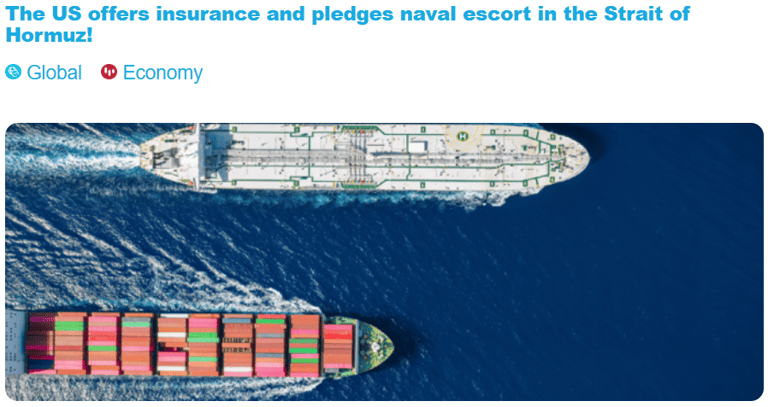
Escalating conflict around Iran and the Gulf has led major marine insurers and P&I clubs to cancel or sharply curtail war risk cover for vessels transiting the Strait of Hormuz and adjacent waters. This has coincided with a steep fall in tanker and container traffic and widespread rerouting of ships around the region.
The Issue
While no formal naval blockade has been declared, the withdrawal of war risk insurance has rendered routine commercial operations financially untenable, producing a de facto closure of the Strait for much of global energy and container shipping.
Mechanism of Impact
Shipowners, charterers and cargo interests generally cannot sail without adequate hull, cargo and P&I cover; banks and traders will not finance uninsured voyages through an active conflict zone.
The war risk premiums, previously a small fraction of vessel value, have surged or become unavailable altogether, leaving owners exposed to potentially catastrophic losses from missile strikes, seizures or mining if they proceed.
As leading clubs and underwriters issued blanket cancellation notices for Gulf and Hormuz transits, hundreds of vessels were anchored or rerouted, effectively removing significant tanker and container capacity from global markets.
Why Insurers Are Central to the Closure?
The immediate operational trigger for halted traffic is the insurance market’s decision to withdraw or severely restrict war risk cover, rather than a physical obstruction of the waterway. By converting elevated military risk into prohibitive financial and legal exposure, insurers have become key gatekeepers of whether commercial shipping can continue, thereby playing a decisive role in the Strait’s effective closure.
Historical precedents (e.g., the Iran–Iraq “Tanker War”) show that where governments or Lloyd ’ s-backed facilities maintain war risk cover, traffic can continue under escort; in the current crisis, the absence of comparable backstops has amplified insurers’ constraining power over trade flows.
Policy Implications
For energy-importing states, marine insurance dynamics are now as critical as naval deployments in assessing vulnerability to Gulf disruptions. Options under discussion include public war-risk reinsurance facilities and state guarantees to partially substitute for withdrawn private capacity and restore minimum viable traffic through Hormuz.